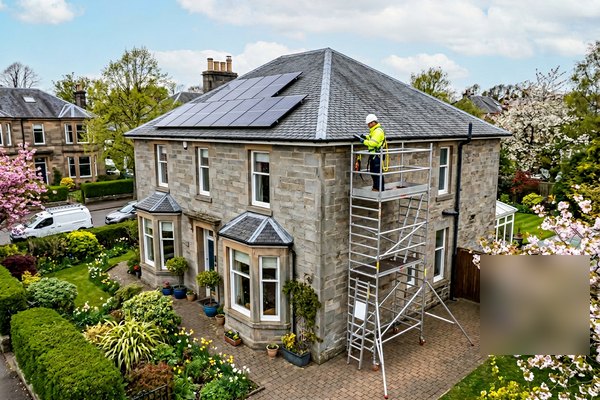
Spring Solar Panel Maintenance Checklist for Glasgow Homes After Winter
Spring is one of the best times to review solar panel performance in Glasgow. After months of wind, rain, shorter days, and occasional frost, a simple post-winter check can help homeowners spot issues early and make sure the system is ready for the brighter season ahead.
The good news is that solar is a low-maintenance technology. The better news is that a little attention in spring can protect long-term performance without turning solar ownership into a constant chore. At Solar Panels Glasgow, we usually tell homeowners to focus on safe visual checks, generation trends, and any signs that winter weather or bird activity has affected the system.
For service support, see our Solar Panel Maintenance page.
Quick Spring Checklist for Glasgow Homeowners
CheckWhy it matters after winterDIY or installer?Review monitoring appSpots obvious drops in outputDIYVisually inspect panels from ground levelChecks for debris, staining, visible damageDIYLook for bird activity under panelsNesting can reduce airflow and create messDIY, then installer if neededCheck inverter alertsSome faults show up there firstDIYBook a professional inspection if output seems lowConfirms electrical and mounting conditionInstaller
Spring maintenance is not about climbing on the roof. It is about making sensible checks safely and acting quickly if anything looks off.
Why Spring Matters More Than People Think
Glasgow homes often come out of winter with a mix of dirt, moss build-up nearby, wind-blown debris, and the occasional bird problem. Even if the panels themselves are robust, the surrounding environment can affect performance.
Spring is the right time to check because:
generation should start increasing again with longer days
winter issues become easier to spot in better daylight
you can correct problems before peak spring and summer output
maintenance can be combined with other roofline checks
Step 1: Check Your Monitoring Data First
Before you look at the roof, look at your performance data. Most modern systems provide app or portal monitoring. Compare recent generation with the expected seasonal pattern. You are not looking for day-to-day perfection. You are looking for obvious warning signs such as:
unexplained drops in output
one string or section underperforming
inverter warnings or communication faults
unusually low production on bright days
This is often the fastest way to catch issues without making assumptions.
Step 2: Carry Out a Safe Visual Inspection
From ground level, look for:
visible debris collecting at the edge of panels
cracked glass or obvious physical damage
loose-looking mounting areas
staining or build-up that seems excessive
signs of nesting birds under the array
Never climb onto the roof to inspect panels yourself. A safe visual assessment from the ground or from inside an upper window is usually enough to decide whether professional support is needed.
Step 3: Watch for Bird Problems in Spring
Spring is also a key time for bird activity, especially around roof spaces and sheltered gaps under panels. If birds are nesting beneath the array, you may notice noise, debris, or reduced airflow around the system.
This is not just a nuisance issue. Bird-related problems can lead to mess, cable risk, and reduced long-term performance. If this sounds familiar, our Solar Panel Bird Proofing service is the most relevant next step.
Step 4: Check the Inverter and Isolators
The inverter is often the first component to indicate a problem. Look for warning lights, fault codes, or error messages. If the inverter is indoors, also check that the surrounding area is dry, clean, and well ventilated.
You do not need to reset equipment repeatedly unless instructed by a qualified installer. If alerts persist, log them and arrange a professional check.
Step 5: Decide Whether Cleaning Is Actually Needed
Not every system needs panel cleaning every spring. In many cases, rain does a decent job of removing ordinary surface dirt. What matters is whether you can see a meaningful build-up or a noticeable performance drop.
Cleaning may be worth considering when:
there is heavy residue or droppings
output appears lower than expected for the season
the property is near trees or heavy airborne debris
the array has not been reviewed in a long time
As always, cleaning should be done safely and appropriately.
Step 6: Book a Professional Check When the Signs Point to It
You do not need an engineer every few weeks, but you should book support if:
monitoring shows a sustained drop in performance
there are visible faults or storm-related concerns
bird activity is affecting the array
you want reassurance before the brighter generation months
Professional maintenance is especially useful for homeowners who want to protect system output without guessing.
FAQs
Do solar panels need servicing every spring in Glasgow?
Not always, but spring is a smart time to review performance and check for any winter-related issues.
Should I clean my solar panels after winter?
Only if there is visible build-up or performance appears lower than expected. Many systems do not need routine cleaning every year.
How do I know if my system is underperforming?
Monitoring data is the best starting point. Compare recent output with seasonal expectations and look for inverter warnings.
What if birds are nesting under my solar panels?
That should be dealt with promptly. Bird activity can create hygiene, airflow, and cable problems, and bird proofing may be the right solution.
Want Help Getting Your System Ready for the Brighter Months?
If you want a post-winter check or advice on maintenance and bird-related issues, visit the Solar Panels Glasgow homepage. We can help Glasgow homeowners keep systems efficient, safe, and ready for the higher-output months ahead.
