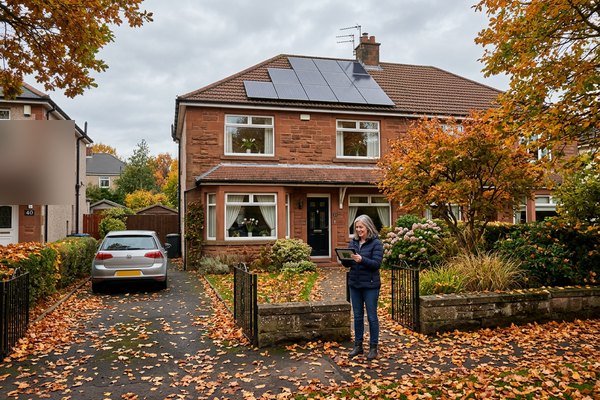
12. Autumn Solar Panel Prep for Glasgow: How to Maximise Output Before Shorter Days
Autumn is one of the most important times of year for Glasgow homeowners with solar panels. The brighter months are fading, daylight hours are shortening, and the weather becomes more changeable. That makes autumn the right moment to check your system, review performance, and deal with any issues before winter output naturally drops.
At Solar Panels Glasgow, we position solar as a long-term low-maintenance investment, but low-maintenance does not mean no attention at all. A short autumn review can help homeowners protect performance, catch small issues early, and make sure the system is ready for the most demanding part of the year. Source
If your main concern is system upkeep, start with our Solar Panel Maintenance service page.
Quick Autumn Checklist for Glasgow Homes
TaskWhy it matters before winterDIY or installer?Review generation dataSpots output drops before darker monthsDIYCheck for debris and leaf build-upAutumn debris can affect performanceDIY visual checkInspect for bird activityNesting and mess can worsen in colder monthsDIY visual check, installer if neededCheck inverter alertsFaults are easier to address before winterDIYConsider battery use strategyHelps shift limited winter generation into evening useDIY / installer advice
The aim is not to overcomplicate ownership. It is simply to enter winter with a system that is clean, safe, and performing as expected.
Why Autumn Prep Matters in Glasgow
Glasgow homeowners should expect a seasonal drop in output as daylight hours reduce. That part is normal. What you do not want is avoidable underperformance caused by debris, unnoticed faults, or bird problems piling on top of the seasonal decline.
Autumn prep matters because it helps you:
distinguish normal seasonal change from actual problems
reduce the chance of wasted output during shorter days
protect the system during wetter, windier weather
improve winter readiness if you also use battery storage
Step 1: Review Monitoring and Compare Trends
Your monitoring app or portal is the first place to start. Look at recent generation patterns and ask whether they make sense for the time of year. You are not looking for summer numbers in October. You are looking for unusual drops that seem larger than the seasonal shift alone would explain.
Warning signs can include:
sudden drops on otherwise bright days
persistent underperformance versus previous autumn periods
inverter warnings
a noticeable mismatch between expected and actual output
Step 2: Check for Leaves, Debris, and General Build-Up
Autumn often brings leaf fall, damp conditions, and wind-blown debris. Even if the panels themselves are fairly resilient, the roof area around them can collect materials that deserve attention.
Safe checks from ground level or an upstairs window should focus on:
obvious debris accumulation
blocked-looking drainage routes nearby
staining or dirt build-up that seems unusual
anything that appears dislodged after storms
Never climb onto the roof yourself. If something looks concerning, book professional help.
Step 3: Pay Attention to Birds Before Winter
Bird activity can become especially frustrating when the weather turns colder. If birds are nesting under the panels or gathering around the array, they can create noise, mess, airflow issues, and long-term maintenance headaches.
If you are seeing signs of that now, it is better to act before winter rather than after. Our Solar Panel Bird Proofing page is the most relevant service link for this issue.
Step 4: Revisit Battery Strategy for the Darker Months
If your home has battery storage, autumn is the right time to think about how it will be used as solar generation drops. In winter, the battery becomes even more about efficiency and timing.
A homeowner in Glasgow may benefit from asking:
am I charging and using stored energy as effectively as possible?
do my habits need to change as daytime generation reduces?
would tariff timing or EV charging schedules need adjusting?
If you are considering storage for the first time, our Solar Battery Storage guide explains the role batteries can play in improving self-use.
Step 5: Decide If a Professional Check Is Worth Booking
Autumn is a smart time for a professional check if:
you have noticed a fall in performance
the system has not been reviewed in a long time
bird issues are developing
you want confidence going into winter
A small issue that goes unnoticed in autumn can feel much more frustrating once winter output is already limited by shorter days.
FAQs
Do solar panels need autumn maintenance in Glasgow?
Not always formal servicing, but autumn is a sensible time to review system performance and check for debris, birds, or warning signs before winter.
Why does solar output fall in autumn?
Shorter days, lower sun angles, and more variable weather naturally reduce output. The goal is to make sure nothing else is reducing it further.
Should I clean my panels before winter?
Only if there is a visible reason to do so or performance suggests a problem. Many systems do not need routine seasonal cleaning every year.
Is autumn a good time to add a battery?
It can be a good time to review whether storage would help you make better use of limited winter generation and evening demand.
Want Help Getting Your Solar Ready for Winter?
If you want advice on maintenance, bird issues, or battery planning before the darker months set in, visit the Solar Panels Glasgow homepage. We can help you assess what your system needs to stay efficient through autumn and winter. Source
